
Loading...
Serving Tulare, CA and surrounding areas. (559) 837-6841
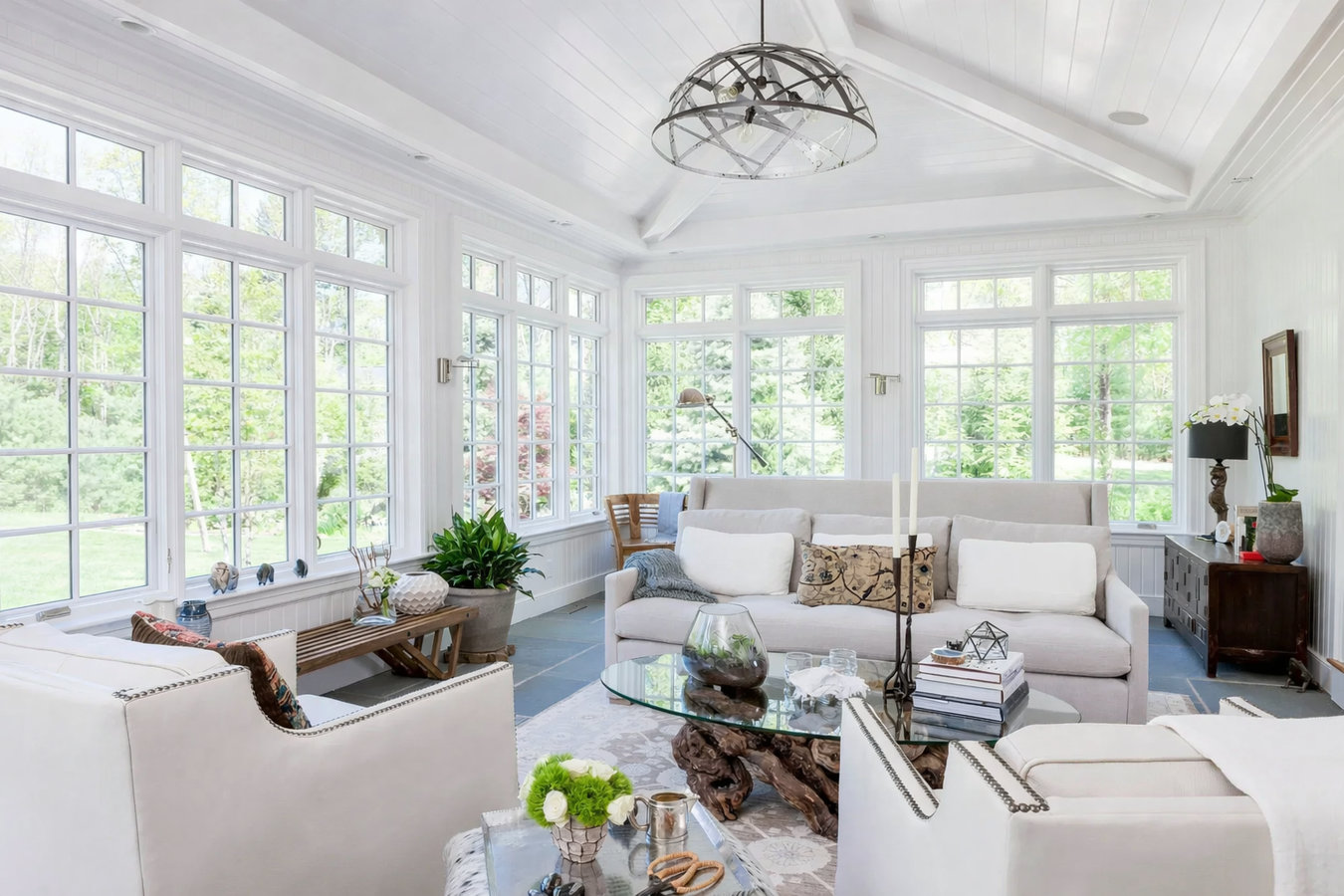
Supreme Tulare Sunrooms & Patios has served Tulare homeowners since 2019, building sunroom additions, patio enclosures, and screen rooms designed for the Central Valley heat - and every project starts with a free, no-pressure estimate.
Adding a sunroom to your Tulare home is one of the most effective ways to gain usable living space without the cost of a full home addition. Tulare homeowners on flat, single-story lots are well-suited for sunroom additions because the construction is straightforward and the result adds square footage you can actually use every day. If you are ready to explore your options, visit our sunroom additions page.
Most Tulare homes have a concrete patio slab that bakes in the summer sun. A patio enclosure turns that unused outdoor space into a shaded, protected room you can use in the morning and evening even on the hottest days. It is one of the most cost-effective upgrades for homes built in the 1970s and 1980s, which make up a large share of Tulare neighborhoods.
Screen rooms are a smart choice for Tulare evenings when the temperature finally drops and you want to sit outside without dealing with gnats or other insects common in the San Joaquin Valley. They provide airflow while keeping pests out, and they are typically the most affordable way to expand your usable outdoor space.
Three season sunrooms work particularly well in Tulare because the winters are mild. A room built for spring through fall use gets nearly ten months of comfortable use in the Central Valley climate, where hard freezes are rare and outdoor-adjacent living is appealing for most of the year.
If you want a room you can use all year, including on July afternoons when temperatures top 100 degrees, a four-season sunroom with insulated glazing and a mini-split climate system is the right choice. These rooms are fully integrated with your home and designed to hold up in Tulare summers without turning into a greenhouse.
A well-built patio cover makes outdoor living possible in Tulare even during peak summer. By blocking direct sun from above, a patio cover can drop the temperature under it by 15 to 20 degrees compared to an uncovered patio, making morning coffee or evening dinners outside actually enjoyable from May through October.
Tulare sits on flat San Joaquin Valley terrain where summers are long and brutal. Temperatures routinely reach 100 degrees or higher from June through September, and the dry air bakes exterior materials faster than in coastal climates. A sunroom or patio enclosure built without accounting for this heat load will be uncomfortable and will degrade prematurely. We size glazing, framing, and thermal mass for Central Valley conditions, not for a contractor template designed somewhere else.
The clay soils common under Tulare homes expand when wet and shrink in the dry season. This movement is one of the main reasons patio slabs crack and shift over time. When we build a sunroom addition or patio enclosure on an existing slab, we evaluate the condition of that slab first. A new addition built on a compromised slab will have problems within a few years, and we have seen enough Tulare properties to know which soil and drainage conditions to watch for. The combination of hot summers, tule fog winters, and expansive soils makes local experience matter more here than in many other parts of California.
Our crew works throughout Tulare regularly, pulling permits from the City of Tulare Community Development Department and working on properties across the city, from the older ranch-style neighborhoods near downtown to the newer subdivisions that spread north and east from Highway 99. We know the difference between a 1960s slab that needs reinforcement and a newer track home where the patio is solid and ready to enclose.
Tulare is a city we understand well. The flat lots, the block wall fencing between properties, the stucco exteriors that are nearly universal across every neighborhood - these are things we encounter on every job. The International Agri-Center, the World Ag Expo grounds, and the residential areas surrounding those landmarks are all familiar territory. Homeowners in every part of the city, from the south side near the hospital to the growing areas off Paige Avenue, call us regularly for sunroom and patio work.
We also serve nearby communities, including Visalia to the north and the smaller communities south of Tulare along Highway 99. If your property is just outside city limits, give us a call and we will confirm whether we cover your area.
Call us or fill out the contact form and we will get back to you within one business day. You do not need to have all the details figured out - just a rough idea of what you are hoping to add.
We visit your Tulare property, measure the space, assess the existing slab or foundation, and talk through your options. We will give you a written estimate before we leave - no vague ranges, no obligation.
We handle the City of Tulare permit application and order materials once you approve the estimate. Permit processing times vary, but we will keep you updated. You do not need to be present for the permit process.
Our crew completes the work on the timeline we gave you, and we do a final walkthrough with you before we leave. If anything needs adjustment, we handle it on the spot.
Call us or fill out the form and we will get back to you within one business day. We serve all of Tulare, CA with free on-site estimates and no-pressure consultations.
(559) 837-6841Tulare is a city of about 70,000 people in the middle of the San Joaquin Valley, surrounded by some of the most productive farmland in the country. The city takes its name from Tulare Lake, once the largest freshwater lake west of the Mississippi, which covered much of the southern valley before it was drained for agriculture. Today Tulare is a working city with deep agricultural roots - home to the World Ag Expo, held every February at the International Agri-Center and drawing visitors from across the country. Most residents own their homes, most of those homes are single-story stucco ranch houses, and most of those lots are flat and fenced with block walls.
The city has grown quickly since the 1990s, doubling in size over three decades. Older neighborhoods near downtown date to the postwar era, with homes from the 1950s through 1980s that are now reaching the age where the original patios and outdoor spaces need updating. Newer subdivisions on the north and east sides of town have more recent construction, often with larger lots and newer concrete flatwork. We serve homeowners in both types of neighborhoods, and we understand what each one typically needs. For homeowners in nearby cities, we also cover Visalia and the surrounding communities throughout the valley.
We serve Tulare, CA and the surrounding San Joaquin Valley. Call now or send us a message and we will be in touch within one business day.