
Loading...
Serving Tulare, CA and surrounding areas. (559) 837-6841
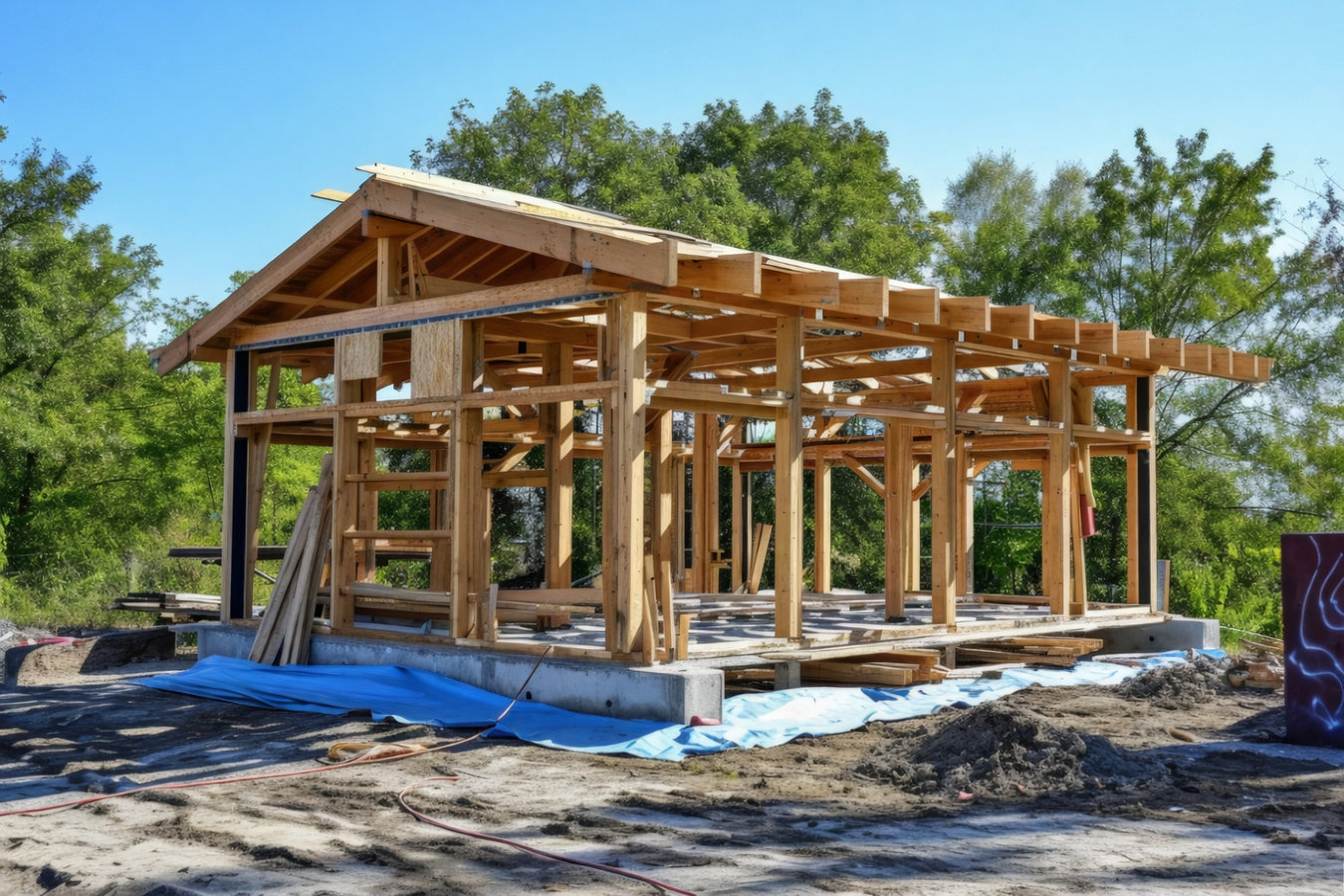
Supreme Tulare Sunrooms & Patios builds sunrooms and patio enclosures for Exeter homeowners - from craftsman bungalows near the mural district downtown to ranch homes on the larger lots at the edge of town where the citrus groves begin. We have served Tulare County since 2019 and respond to every inquiry within one business day.
Exeter has a strong mix of older craftsman homes and postwar ranch-style properties, and many of these homes have the lot space and structural bones to support a proper sunroom addition - they just never had one built. A new sunroom adds usable square footage that works with the existing floor plan without the disruption of a full room addition. We design for Exeter conditions specifically, including the Valley heat and the clay-soil foundation concerns that affect every slab in this area. See our sunroom construction page for build options and materials.
A large share of Exeter homes have an existing backyard slab - often a covered concrete patio that was poured when the house was built decades ago. Enclosing that slab with aluminum framing and panel systems is the fastest way to add livable space without a full construction project. Exeter homeowners in the neighborhoods bordering the orchards also find that an enclosed patio cuts down on the dust and insects that come with proximity to active farmland.
Exeter winters are short and mild - frost nights in December and January are the main cold-weather concern, not prolonged freezes. A three season sunroom is a comfortable space from late February through November and costs significantly less than a fully insulated four season build. For Exeter homeowners with modest-sized homes who want to maximize usable space without a large investment, a three season room is often the right fit.
Exeter sits in the middle of Tulare County citrus country, and the evening insect pressure in spring and fall is real - those are the same months when the temperature finally becomes comfortable enough to enjoy being outside. A screen room on an existing covered patio resolves that problem quickly and affordably. It is one of the most straightforward jobs we do on Exeter properties, and it extends the outdoor season by weeks on either end of summer.
Exeter summers run well above 100 degrees for months, and tule fog brings persistent moisture every winter. A four season sunroom handles both extremes with full wall and roof insulation, low-E glazing, and a dedicated heating and cooling system. Exeter homeowners who want to use the room as a home office or everyday living space year-round - not just in the mild spring months - need this level of thermal performance to make the room practical.
Many older Exeter homes have covered patio structures that were built as simple shade structures and never converted into enclosed rooms. Transforming an existing covered patio into a screen room, three season room, or glass-enclosed sunroom is often faster and less expensive than building from the ground up. We always check the existing concrete and framing for clay-soil damage before committing to a conversion - honest about what the slab can support.
Exeter is a small Tulare County city of about 10,000 people, and most of its housing stock was built before 1980. The older craftsman bungalows near downtown date back to the early 1900s, while the ranch-style homes that make up most of the postwar neighborhoods were built in the 1950s and 1960s. These homes were not designed with today's insulation standards, and decades of San Joaquin Valley heat, clay-soil movement, and tule fog moisture have added wear that goes beyond what most homeowners notice. When a sunroom or patio enclosure is attached to one of these older homes, the contractor needs to understand what the existing structure can actually support. Wall framing that has dried and shifted over fifty years, slabs that have moved with clay soil cycles, and exterior stucco that has cracked and been patched multiple times all affect how the new structure gets attached and sealed.
The climate in Exeter demands genuine thermal engineering, not just aesthetics. Summer temperatures above 100 degrees are standard from June through September, and that sustained solar load will make a poorly designed sunroom into a room no one can use for a third of the year. Low-E glazing and insulated roofing are not luxury features in this climate - they are minimum requirements for a livable space. At the opposite end, tule fog can blanket the Valley for two weeks at a time in January, leaving every exterior surface damp for days. Sealants, flashing, and frame connections that are not built for moisture exposure will fail quietly over two or three winters. We build for both conditions because Exeter homeowners deserve a room that works in all of them.
Our crew works throughout Exeter regularly, and we pull permits from the City of Exeter Building Department for attached structures on residential properties across the city. Exeter is a compact town where neighborhoods transition quickly from the older downtown core - with its craftsman bungalows and the well-known mural district - to the postwar ranch-home streets farther out, and then to the larger agricultural-edge lots where citrus groves begin. We see all three property types regularly, and we adjust our foundation assessment and framing approach depending on which part of Exeter a home sits in.
Exeter sits along Highway 65 in southern Tulare County, east of Visalia and north of Lindsay. The town has long been associated with the citrus industry - it has called itself the Orange Capital of the World for generations, and the Orange Blossom Festival each spring draws visitors from across Tulare County. Sequoia National Park is a short drive east into the Sierra Nevada foothills, and that proximity means Exeter homeowners experience genuine temperature swings between valley-floor heat and the cooler air that comes down from the mountains in the evenings.
We also serve homeowners in neighboring Lindsay just south of Exeter, and in Visalia to the west. If your property is between these cities or in an unincorporated rural area of Tulare County, call us and we can confirm service availability for your address.
Reach us by phone or through the estimate form on this site. We respond to every Exeter inquiry within one business day and typically schedule site visits within a few days of your first contact.
We visit your Exeter property at no charge to measure the space, assess the existing slab or foundation for clay-soil movement, and walk through your options. You receive a written price covering every line item before any work starts - no surprises once the project begins.
We submit the building permit application to the City of Exeter on your behalf and order materials once approval is confirmed. You do not need to be present for permit processing, and we keep you updated throughout so you know exactly where the project stands.
Most sunroom and patio enclosure installations in Exeter are completed in one to four weeks once materials arrive on site, depending on scope. We do a final walkthrough with you before we leave to confirm the work matches the agreed plan and that you are satisfied with every detail.
We serve Exeter homeowners with free on-site estimates, written pricing, and no-pressure consultations. Call us or submit the form and we will get back to you within one business day.
(559) 837-6841Exeter is a small city of about 10,000 residents in Tulare County, California, located in the southern San Joaquin Valley and surrounded by citrus groves that have given the town its identity for more than a century. The city is compact and mostly residential, with a walkable downtown grid that includes the mural district Exeter is known for throughout the region - large outdoor paintings on downtown building walls depicting the area's agricultural and pioneer history. The housing stock ranges from early 1900s craftsman bungalows in the older blocks near downtown to postwar ranch-style homes built through the 1950s and 1960s, with newer tract homes appearing on the outskirts. Most homes are modest, owner-occupied single-family properties with front yards, backyard slabs, and either stucco or wood exteriors.
Exeter is positioned between Visalia to the west and the Sierra Nevada foothills to the east, with Sequoia National Park a short drive up into the mountains from town. That location gives Exeter a distinct character - it is an agricultural Valley town that also serves as a gateway for people heading to the park. Nearby Lindsay is just south along Highway 65 and shares much of the same citrus-belt housing stock and climate as Exeter. Both cities have a practical, working-family character, and homeowners in both places are looking for contractors who show up, communicate clearly, and do the work right.
Get a free written estimate this week - we respond to every Exeter inquiry within one business day and can usually schedule a site visit within a few days of your first call.